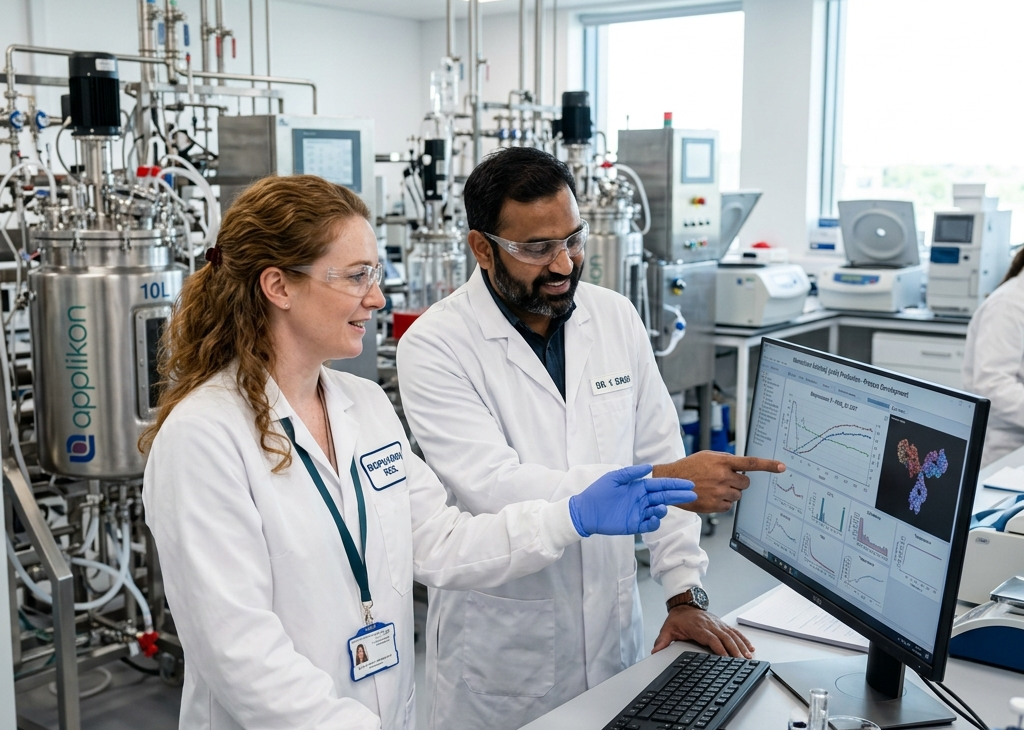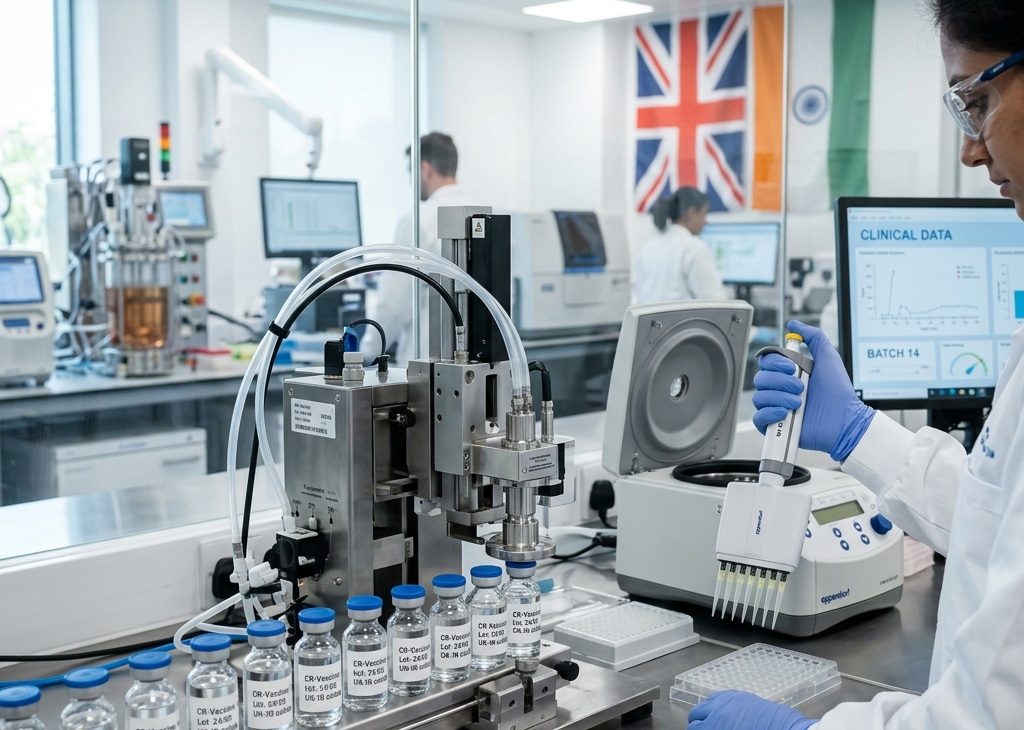

Global venture capital inflows, academic research, and big pharma pipelines are not distributed evenly. In 2026, two massive therapeutic hotspots are commanding the majority of research budgets and growth equity: **Antibody-Drug Conjugates (ADCs)** and **GLP-1 receptor agonists** for metabolic health.
These two fields represent the commercial and clinical frontiers of modern biopharmaceutical science.
Antibody-Drug Conjugates: The "Guided Missiles" of Oncology
ADCs are designed to deliver highly potent cytotoxic payloads directly to cancer cells while sparing healthy tissue, combining the targeting specificity of monoclonal antibodies with the cell-killing power of chemotherapy.
Throughout 2026, developers have successfully advanced next-generation ADCs featuring novel linkers and more stable payloads. These advancements have expanded treatment windows for breast, gastric, and ovarian cancers, making ADCs one of the most competitive fields for licensing deals and acquisitions.
GLP-1 and Cardiometabolic Evolution: Moving to Oral Formulations
The metabolic healthcare revolution sparked by GLP-1 weight-loss blockbusters continues to expand. The focus in 2026 has shifted from subcutaneous injections to highly stable **oral small-molecule formulations** that can be taken once daily in pill form.
Furthermore, clinical trials are increasingly proving that GLP-1s deliver secondary health benefits-including significant reductions in major adverse cardiovascular events (MACE), chronic kidney disease progression, and systemic inflammation-solidifying their role in long-term cardiometabolic healthcare.
Antibody-Drug Conjugates (ADCs) Lead Oncology Pipelines
Antibody-Drug Conjugates (ADCs) represent one of the fastest-growing areas in oncology R&D. By linking highly potent cytotoxic drugs to monoclonal antibodies, ADCs act as "smart bombs" that selectively target cancer cells while sparing healthy tissue. In 2026, major pharma companies are investing billions in acquiring clinical-stage ADCs, with Pfizer's integration of Seagen and AbbVie's pipeline expansion setting the pace.
Manufacturing ADCs poses unique challenges, as it requires both biologics processing (for the antibody) and high-potency chemical synthesis (for the linker and payload). Ireland, with its advanced biologics and chemical manufacturing plants in Cork and Dublin, is positioned to become a key global production hub for these complex therapies.
Frequently Asked Questions
What makes Antibody-Drug Conjugates (ADCs) different from traditional chemotherapy?
Traditional chemotherapy affects all dividing cells, leading to systemic toxicity. ADCs use monoclonal antibodies to deliver the cytotoxic chemotherapy drug directly to target receptors on cancer cells, significantly reducing side effects.
Why is the GLP-1 obesity pipeline expanding so rapidly?
The global demand for effective weight-loss treatments is unprecedented. Companies are racing to develop oral formulations (pills) and next-generation GLP-1 agonists that require less frequent dosing or target multiple receptors (like GIP/Glucagon) for better efficacy.
How is Ireland involved in the production of these advanced therapies?
Ireland hosts major manufacturing sites for companies like Novo Nordisk and Eli Lilly, providing the specialized sterile fill-finish infrastructure needed to package injectable biologics and GLP-1 therapies for global markets.
Regulatory and Clinical Challenges for Next-Gen Biologics
As the pipeline of Antibody-Drug Conjugates (ADCs) and GLP-1 obesity therapies grows, regulatory approval pathways are evolving. Regulators like the EMA and HPRA are demanding more robust long-term safety data, particularly for chronic treatments like obesity therapies. For ADCs, clinical trials are focusing on managing systemic toxicities, such as ocular side effects and interstitial lung disease, which can limit the therapeutic dose.
Manufacturing validation is also a major bottleneck, as producing ADCs requires complex, multi-site supply chains. Irish sites are investing in specialized containment systems and analytical QC methods to ensure product safety and quality across these complex manufacturing processes.
Frequently Asked Questions
What are the primary manufacturing challenges for ADCs?
The main challenges are containment (handling highly toxic cytotoxins safely), conjugate validation (ensuring the antibody-linker ratio is consistent), and coordinating logistics between chemical and biological production sites.
Are there oral GLP-1 weight-loss alternatives in clinical trials?
Yes, several companies are running Phase III trials for oral GLP-1 receptor agonists (pills), which would offer a more convenient option for patients compared to weekly injections.
What are the long-term prospects for the Irish biopharma manufacturing sector?
The sector is highly optimistic, with major companies investing in upgrading their Irish facilities to support the launch and commercial production of next-generation ADCs, gene therapies, and biologics.
Regulatory and Clinical Challenges for Next-Gen Biologics
As the pipeline of Antibody-Drug Conjugates (ADCs) and GLP-1 obesity therapies grows, regulatory approval pathways are evolving. Regulators like the EMA and HPRA are demanding more robust long-term safety data, particularly for chronic treatments like obesity therapies. For ADCs, clinical trials are focusing on managing systemic toxicities, such as ocular side effects and interstitial lung disease, which can limit the therapeutic dose.
Manufacturing validation is also a major bottleneck, as producing ADCs requires complex, multi-site supply chains. Irish sites are investing in specialized containment systems and analytical QC methods to ensure product safety and quality across these complex manufacturing processes.
Frequently Asked Questions
What are the primary manufacturing challenges for ADCs?
The main challenges are containment (handling highly toxic cytotoxins safely), conjugate validation (ensuring the antibody-linker ratio is consistent), and coordinating logistics between chemical and biological production sites.
Are there oral GLP-1 weight-loss alternatives in clinical trials?
Yes, several companies are running Phase III trials for oral GLP-1 receptor agonists (pills), which would offer a more convenient option for patients compared to weekly injections.
What are the long-term prospects for the Irish biopharma manufacturing sector?
The sector is highly optimistic, with major companies investing in upgrading their Irish facilities to support the launch and commercial production of next-generation ADCs, gene therapies, and biologics.