
Executive Summary: The therapeutic landscape for glucagon-like peptide-1 (GLP-1) receptor agonists has expanded far beyond glycemic control and peripheral appetite suppression. In 2026, clinical breakthroughs have redefined how these agents interact with central nervous system pathways, expanded the viability of daily oral non-peptide formulations, and introduced multi-receptor triple-agonists capable of achieving body weight reductions that match bariatric surgery. Concurrently, landmark trial data confirms profound systemic benefits across cardiovascular outcomes, chronic kidney disease, systemic inflammation, knee osteoarthritis pain, and obstructive sleep apnea.
- Brain Reward Circuit Mapping: Neurobiological research from the University of Virginia proves GLP-1 receptors directly modulate central reward circuits connecting the hindbrain, central amygdala, and dopamine-producing neurons, suppressing the reward value of high-calorie foods ("food noise").
- Oral Non-Peptide Breakthroughs: Phase 3 ACHIEVE-3 trial data confirms that daily oral small-molecule GLP-1 agonists like Orforglipron achieve superior glycemic and weight reductions (up to 13.6%) compared to first-generation oral peptides, while eliminating cold-chain requirements and reducing production costs.
- Triple-Agonist Horizons: Retatrutide (GLP-1/GIP/Glucagon triple receptor agonist) demonstrated up to 30% body weight loss in 80-week clinical trials, driven by glucagon-mediated metabolic rate elevation alongside GIP/GLP-1 synergistic appetite suppression.
- Systemic Cardiometabolic Impact: Beyond weight reduction, GLP-1 therapies demonstrate up to a 73% reduction in knee osteoarthritis pain, substantial decreases in Major Adverse Cardiovascular Events (MACE), and marked reductions in Apnea-Hypopnea Index (AHI) in obstructive sleep apnea.
1. Neurobiological Breakthroughs: Mapping the Central Brain Reward Circuit
For over two decades, the primary mechanism of GLP-1 receptor agonists was understood to be delayed gastric emptying combined with peripheral and hindbrain satiety signaling. However, neurobiological studies published in Nature by researchers at the University of Virginia have mapped a specialized central neural circuit that fundamentally transforms our understanding of how these drugs alter human ingestive behavior.
The research demonstrates that advanced GLP-1 formulations act directly upon central neural pathways extending from the solitary tract in the hindbrain to the central amygdala-a key center for emotional processing and incentive motivation-and subsequently down-regulate signal transmission to midbrain dopamine-producing neurons.
Suppression of "Food Noise" vs. Simple Satiety
Unlike traditional anorectic agents that induce nausea or mechanical fullness, engagement of the hindbrain-amygdala-dopamine axis selectively dampens the hedonic valuation of food rewards. Patients routinely describe a dramatic reduction in "food noise"-the persistent, intrusive cognitive fixation on eating and high-calorie reward stimuli. By reducing dopamine release in response to food cues, GLP-1 therapies decouple appetite from emotional craving.
Broader Neuropsychiatric & Addiction Applications
Because the central amygdala and mesolimbic dopamine pathways are central to generalized reward reinforcement, researchers are evaluating GLP-1 receptor agonists in Phase 2 and 3 trials for substance use disorders, including alcohol abuse, nicotine addiction, and binge eating disorder. While efficacy in reducing compulsive behaviors is highly promising, clinical monitoring remains attentive to potential off-target effects, such as mild transient anhedonia (reduced capacity to feel pleasure from non-food stimuli) in a small subset of patients.
2. The Rise of Oral Non-Peptide Formulations: Orforglipron & Oral Semaglutide
While subcutaneous injectable GLP-1 agonists (such as weekly Semaglutide and Tirzepatide) established the modern obesity treatment paradigm, patient adherence, injection aversion, and complex peptide manufacturing bottlenecks presented significant commercial barriers. In 2026, the clinical validation of daily oral, non-peptide small-molecule GLP-1 agonists has altered the global market trajectory.
Phase 3 ACHIEVE Trial Data
The Phase 3 ACHIEVE-3 trial published in The Lancet compared the oral non-peptide small molecule Orforglipron (at 12 mg and 36 mg daily doses) head-to-head against oral peptide Semaglutide (7 mg and 14 mg). Key findings include:
- Superior Efficacy: Patients receiving 36 mg daily Orforglipron achieved an average body weight reduction of 9.2% in Type 2 Diabetes cohorts and up to 13.6% in non-diabetic obesity cohorts at 40 weeks, significantly outperforming the 5.3% reduction observed with oral Semaglutide 14 mg.
- Food & Water Independence: Unlike oral peptide Semaglutide (which requires strict fasting conditions with a minimal amount of water due to absorption enhancers like SNAC), small-molecule Orforglipron exhibits stable oral bioavailability independent of food intake or dosing time.
Manufacturing & Supply Chain Disruption
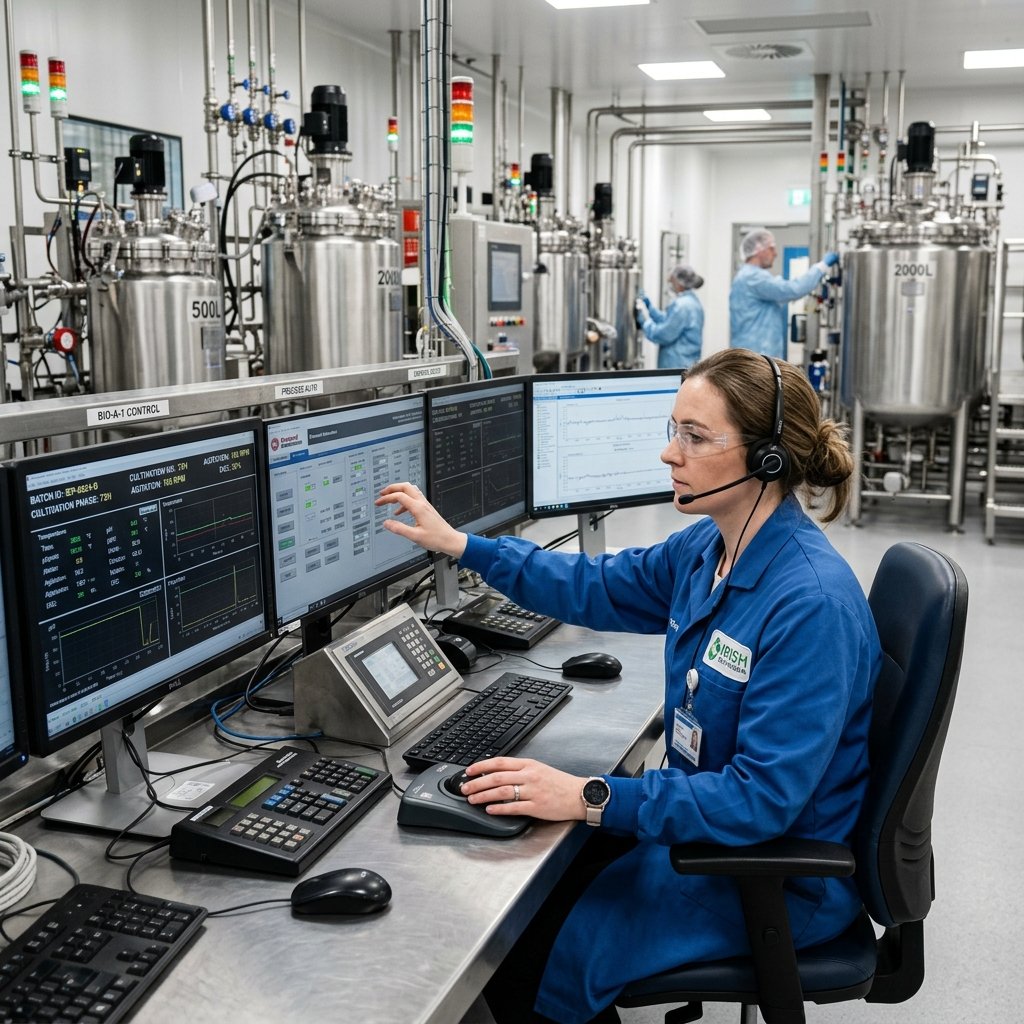
The transition from peptide solid-phase synthesis to organic small-molecule chemical synthesis eliminates the need for expensive bioreactors and specialized cold-chain distribution networks. Chemical contract development and manufacturing organizations (CDMOs) can scale small-molecule active pharmaceutical ingredient (API) production rapidly, lowering global therapy costs by an estimated 40% to 60% and enabling penetration into emerging international healthcare markets.
3. Triple-Agonist Innovations: Retatrutide and the Bariatric Surgery Paradigm Shift
The frontier of metabolic pharmacotherapy is defined by multi-receptor co-agonism. Following the success of dual GLP-1/GIP agonists like Tirzepatide, the introduction of Retatrutide-a single peptide targeting GLP-1, GIP, and Glucagon receptors-has set unprecedented clinical benchmarks.
The Triple-Agonist Mechanism of Action
Retatrutide leverages three distinct endocrine pathways in concert:
- GLP-1 Receptor Agonism: Preserves glucose-dependent insulin secretion, suppresses glucagon spikes post-meal, and slows gastric emptying.
- GIP Receptor Agonism: Enhances insulin sensitivity, optimizes adipose tissue lipid storage dynamics, and synergizes with GLP-1 in central appetite reduction.
- Glucagon Receptor Agonism: Stimulates hepatic lipid oxidation, increases basal energy expenditure, and promotes fat mass loss while preserving lean muscle tissue.
80-Week Clinical Trial Results
In Phase 3 80-week trial data, high-dose Retatrutide (12 mg weekly) achieved an unprecedented mean body mass reduction approaching 24% to 30% in obese adults. For the first time, a pharmacological monotherapy has matched or exceeded the weight-loss efficacy of traditional bariatric surgical interventions, such as laparoscopic sleeve gastrectomy, without the surgical morbidity or long-term anatomical complications.
4. Cardiovascular & Systemic Multi-Organ Efficacy
Clinical data accumulated throughout 2025 and 2026 establishes that GLP-1 therapeutics provide systemic protection across major organ systems, independent of total weight loss.
| Clinical Indication | Key Clinical Metric / Reduction | Underlying Pathophysiological Mechanism |
|---|---|---|
| Cardiovascular Disease (MACE) | 20% Reduction in MACE (CV Death, MI, Stroke) | Reduction in endothelial inflammation, anti-atherosclerotic vascular protection, blood pressure lowering. |
| Knee Osteoarthritis | Up to 73% Pain Reduction (FORTH Trial) | Marked mechanical joint load alleviation paired with systemic anti-inflammatory (hsCRP, IL-6) suppression. |
| Obstructive Sleep Apnea (OSA) | 50% to 63% Reduction in Apnea-Hypopnea Index (AHI) | Upper airway pharyngeal fat depot reduction combined with improved ventilatory drive stability. |
| Metabolic Dysfunction-Associated Steatohepatitis (MASH) | 50%+ Resolution of MASH Without Fibrosis Worsening | Reduction in hepatic de novo lipogenesis, suppression of hepatic stellate cell activation and fibrogenesis. |
5. Comparative Analysis of Leading GLP-1 Drug Classes
To provide a clear overview of the current metabolic therapy pipeline, the table below compares the four primary drug classes dominating clinical practice and development in 2026:
| Therapeutic Class | Representative Molecules | Administration Route | Mean Weight Loss | Key Market Advantage |
|---|---|---|---|---|
| GLP-1 Mono-Agonists | Semaglutide, Liraglutide | Subcutaneous (Weekly/Daily) | 14% to 16% | Established long-term cardiovascular safety record; broad reimbursement coverage. |
| Dual GLP-1/GIP Agonists | Tirzepatide | Subcutaneous (Weekly) | 20% to 22.5% | Superior glycemic reduction and lipid profile improvement over mono-agonists. |
| Oral Non-Peptide Agonists | Orforglipron, Foundayo | Oral Capsule (Daily) | 12% to 13.6% | No food/water restrictions; room temperature stable; dramatically lower manufacturing cost. |
| Triple Receptor Agonists | Retatrutide | Subcutaneous (Weekly) | 24% to 30% | Efficacy comparable to bariatric surgery; active energy expenditure elevation. |
6. Pharmaceutical Industry Economics and CDMO Manufacturing Capacity
The rapid evolution of GLP-1 therapeutics has reshaped investment priorities across the global biopharmaceutical manufacturing ecosystem. The global market for obesity and metabolic disease treatments is projected to surpass $150 billion by 2030, driving historic capital deployment in production infrastructure.
Contract Development and Manufacturing Organizations (CDMOs) in European life science clusters-including Ireland, Germany, Switzerland, and the UK-are reallocating capacity to support both peptide synthesis and small-molecule chemical production. While sterile fill-finish capacity for injectable pens remains tightly booked through late 2027, the commercial rollout of oral small-molecule candidates is expected to relieve supply chain friction and lower retail pricing structures globally.
7. Frequently Asked Questions (FAQ)
Q: How do newer GLP-1 therapies suppress food noise in the brain?
A: Advanced GLP-1 agonists cross or signal through the blood-brain barrier to engage neural pathways connecting the hindbrain, central amygdala, and dopamine-producing neurons. This directly reduces the reward and pleasure valuation assigned to food cues, diminishing psychological cravings.
Q: What is the main clinical advantage of oral Orforglipron over oral Semaglutide?
A: Orforglipron is a synthetic small-molecule drug rather than a peptide. It can be taken daily without strict fasting or water volume restrictions, demonstrates higher oral bioavailability, and achieves greater weight loss efficacy (up to 13.6%).
Q: How does Retatrutide achieve surgical-level weight loss?
A: By simultaneously activating GLP-1, GIP, and Glucagon receptors, Retatrutide combines powerful appetite suppression with glucagon-driven metabolic rate elevation and increased hepatic lipid oxidation, resulting in up to 30% body weight loss over 80 weeks.
Conclusion
The 2026 clinical landscape for GLP-1 therapeutics represents a major paradigm shift in metabolic medicine. From mapping central brain reward circuits to scaling oral non-peptide therapies and achieving bariatric-level outcomes with triple-agonists, these innovations promise to alter the long-term management of obesity, cardiovascular disease, and systemic inflammatory conditions worldwide.