
The global pharmaceutical and biotechnology sector has witnessed a substantial resurgence in dealmaking activity in 2026, marked by a wave of multi-billion dollar acquisitions. Cash-rich pharmaceutical majors are aggressively deploying capital to acquire de-risked, late-stage pipelines to offset revenue losses from impending patent cliffs expected later this decade.
Leading the charge are industry giants AbbVie and Merck KGaA, whose recent moves demonstrate a strategic emphasis on immunology and specialized life science research tools.
AbbVie Secures Apogee Therapeutics for $10.9 Billion
In a major expansion of its immunology portfolio, AbbVie announced the completion of its $10.9 billion acquisition of Apogee Therapeutics. Apogee’s lead clinical candidate is a next-generation monoclonal antibody targeting inflammatory skin conditions, including moderate-to-severe atopic dermatitis.
With blockbuster drug Humira facing biosimilar competition, AbbVie’s acquisition is designed to anchor its long-term market dominance in global immunology therapeutics alongside its existing blockbusters Skyrizi and Rinvoq.
Merck KGaA Bids $11.3 Billion for Bio-Techne
Simultaneously, German science and technology conglomerate Merck KGaA launched a successful $11.3 billion acquisition of Bio-Techne Corporation. Bio-Techne is a global leader in high-quality proteins, antibodies, and diagnostic reagents.
This transaction significantly bolsters Merck KGaA’s Life Science division, expanding its capability to support biopharmaceutical developers worldwide with essential research tools, specialized assays, and raw materials required for biologics manufacturing.
replenishing Pipelines for a Low-Exclusivity Era
Industry analysts project that global biopharma M&A transactions will continue to accelerate throughout the second half of 2026. As corporate tax dynamics stabilize and patent cliffs loom, big pharma companies are increasingly favoring strategic, de-risked bolt-on acquisitions to protect their future market valuations.
Strategic Drivers of the 2026 M&A Rebound
The rebound in global biopharmaceutical mergers and acquisitions (M&A) in 2026 is driven by the impending "patent cliff." Major pharmaceutical companies face patent expirations on several blockbuster drugs, representing billions in revenue at risk. To fill their pipelines, companies are using their cash reserves to acquire clinical-stage biotech firms with promising assets in oncology, immunology, and rare diseases.
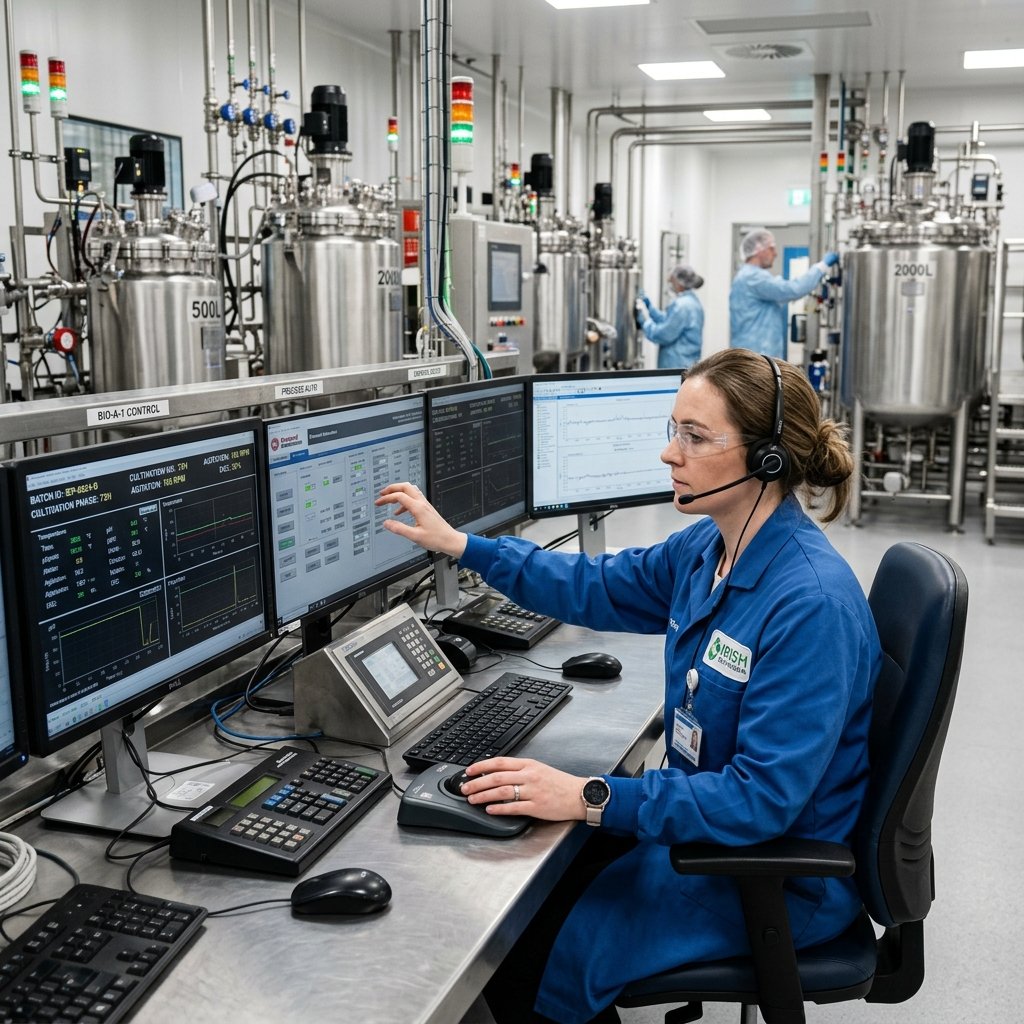
AbbVie and Merck KGaA have led the acquisition surge, targeting advanced antibody platforms and gene therapies. This consolidation is reshaping global supply networks, as acquired pipelines are integrated into existing manufacturing hubs, including Ireland's biotechnology corridors.
Frequently Asked Questions
Why did biopharma M&A rebound so strongly in 2026?
The rebound is driven by major companies needing to replenish pipelines before patent cliffs expire on key products, combined with attractive valuations of clinical-stage biotech companies.
What therapeutic areas are most targeted in these acquisitions?
Oncology (specifically ADCs), immunology, metabolic diseases (GLP-1 platforms), and rare disease gene therapies are the most highly targeted areas for acquisition.
How do global mergers impact manufacturing operations in Ireland?
Global acquisitions often lead to manufacturing consolidation. Irish facilities, known for high-quality standards and regulatory compliance, frequently secure the production mandates for newly acquired blockbuster drugs.
Regulatory Scrutiny on Large-Scale Biopharma Mergers
As biopharma M&A activity surges in 2026, regulatory agencies like the US Federal Trade Commission (FTC) and the European Commission are placing unprecedented scrutiny on these transactions. The concern is that mega-mergers could stifle innovation by consolidating drug development pipelines and reducing competition in critical therapeutic classes, such as oncology and immunology. Regulators are demanding detailed divestiture plans for overlapping pipeline assets before approving multi-billion dollar deals.
Despite these challenges, companies like AbbVie and Merck KGaA are moving forward, utilizing structured partnerships, joint ventures, and milestone-based acquisition agreements to mitigate regulatory risks. For the target biotech firms, these deals provide the financial and manufacturing resources needed to advance their clinical candidates through large-scale Phase III trials and commercialization.
Frequently Asked Questions
Why are regulatory bodies scrutinizing biopharma acquisitions more closely?
Regulators want to prevent monopoly power in specific therapeutic areas, ensuring that competition remains high and drug prices do not rise due to consolidated market ownership.
What is a pipeline divestiture in a biopharma merger?
A divestiture requires the acquiring company to sell off specific clinical candidates or intellectual property to a third party to resolve competition concerns in areas where both companies have overlapping products.
How do milestone-based acquisition agreements work?
These agreements structure payments based on clinical and regulatory achievements (e.g., successful Phase III data or FDA approval), reducing financial risk for the acquiring company.
Regulatory Scrutiny on Large-Scale Biopharma Mergers
As biopharma M&A activity surges in 2026, regulatory agencies like the US Federal Trade Commission (FTC) and the European Commission are placing unprecedented scrutiny on these transactions. The concern is that mega-mergers could stifle innovation by consolidating drug development pipelines and reducing competition in critical therapeutic classes, such as oncology and immunology. Regulators are demanding detailed divestiture plans for overlapping pipeline assets before approving multi-billion dollar deals.
Despite these challenges, companies like AbbVie and Merck KGaA are moving forward, utilizing structured partnerships, joint ventures, and milestone-based acquisition agreements to mitigate regulatory risks. For the target biotech firms, these deals provide the financial and manufacturing resources needed to advance their clinical candidates through large-scale Phase III trials and commercialization.
Frequently Asked Questions
Why are regulatory bodies scrutinizing biopharma acquisitions more closely?
Regulators want to prevent monopoly power in specific therapeutic areas, ensuring that competition remains high and drug prices do not rise due to consolidated market ownership.
What is a pipeline divestiture in a biopharma merger?
A divestiture requires the acquiring company to sell off specific clinical candidates or intellectual property to a third party to resolve competition concerns in areas where both companies have overlapping products.
How do milestone-based acquisition agreements work?
These agreements structure payments based on clinical and regulatory achievements (e.g., successful Phase III data or FDA approval), reducing financial risk for the acquiring company.