
How the Iran Conflict Is Disrupting Ireland’s Pharmaceutical Industry and Why It Matters Globally
Who this is for
This piece is built for pharma executives, supply chain leaders, investors, and policy stakeholders who need a clear, data backed view of how geopolitical instability is reshaping drug logistics and what to do about it.
The Bottom Line
The Iran-linked conflict is disrupting key Middle East air corridors, forcing Irish pharmaceutical exporters to reroute shipments, increasing costs by up to €1,000 per day per truck and extending delivery times. This threatens Ireland’s just-in-time pharma model and creates ripple effects across global medicine supply chains.
Why This Matters Right Now ?
If you're searching for how geopolitical conflict affects pharma supply chains, here’s the reality:
- Air routes over the Middle East are being restricted or avoided
- Freight costs and insurance premiums are surging
- Cold-chain delivery timelines are becoming less predictable
For Ireland a global pharma export powerhouse this is not a theoretical risk. It’s an operational disruption already hitting margins, delivery SLAs, and competitiveness.
The Strategic Role of Ireland in Global Pharma
Ireland isn’t just another exporter it’s a critical node in the global pharmaceutical ecosystem.
- Home to 9 of the world’s top 10 pharma companies
- Accounts for over €100 billion in annual pharma exports
- Major supplier to EU and US markets
This means any disruption in Ireland doesn’t stay local it cascades globally.
What’s Actually Breaking: Air Freight and Logistics

1. Airspace Avoidance = Longer Routes
Flights that previously crossed Middle Eastern corridors are now being rerouted around conflict zones.
- Adds hours to transit time
- Increases fuel consumption and emissions
- Reduces cargo capacity availability
2. Cost Inflation Is Immediate
According to Irish logistics operators:
- Up to €1,000 extra per day per vehicle
- Air freight rates climbing sharply due to constrained capacity
- Insurance premiums rising for high-risk zones
3. Cold Chain Risk Is Rising
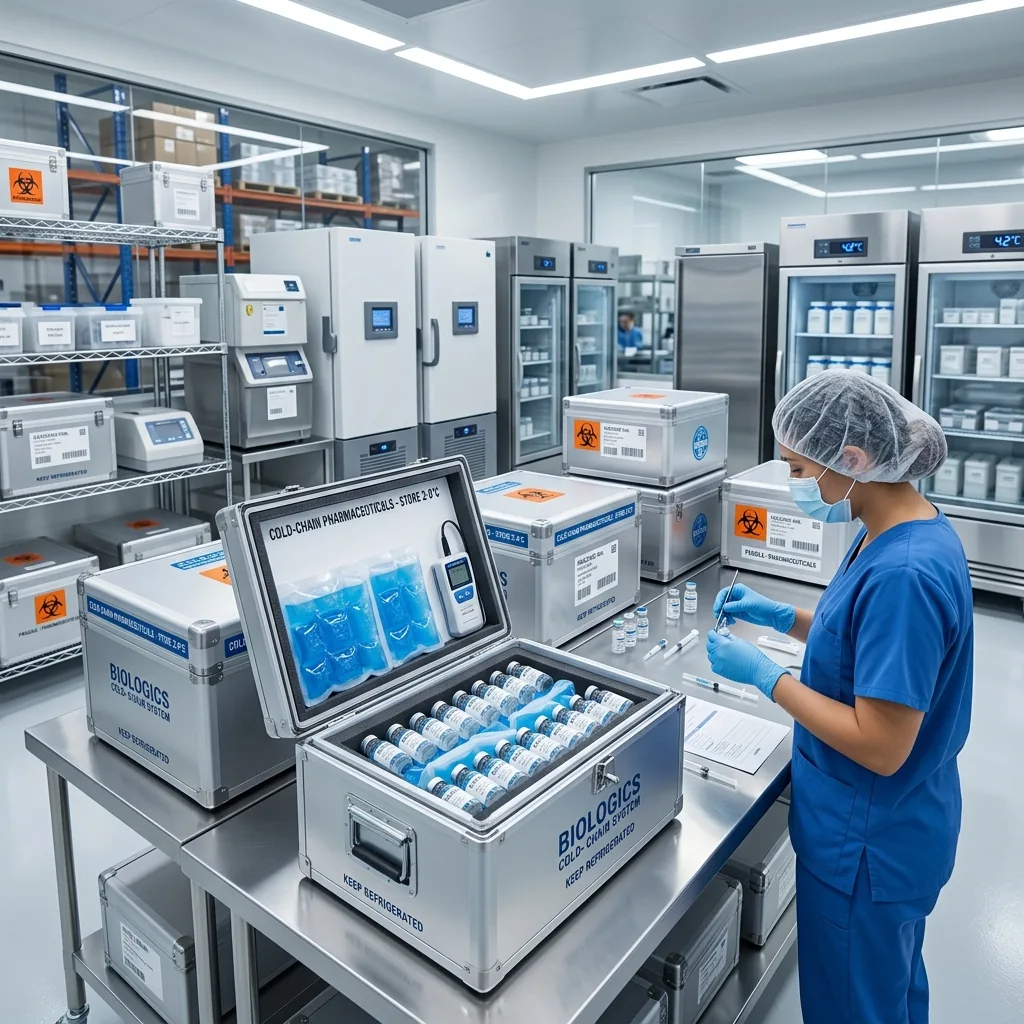
Pharma shipments especially biologics and vaccines require strict temperature control.
Longer transit times = higher probability of:
- Temperature excursions
- Product spoilage
- Compliance failures
Ireland’s Pharma Model Is Vulnerable by Design
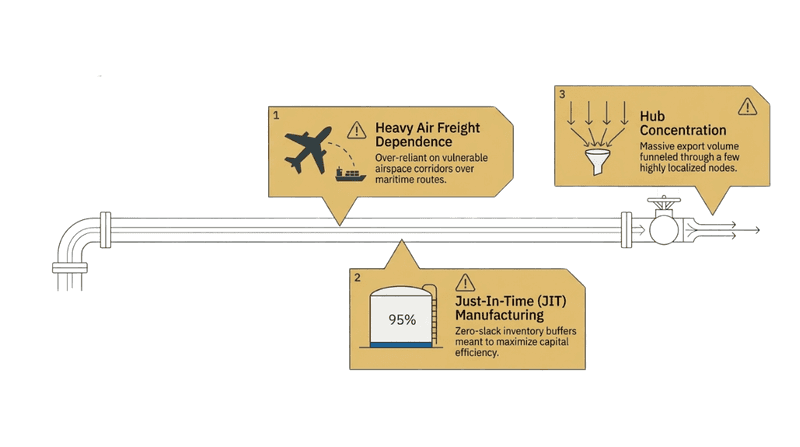
Here’s the uncomfortable truth: Ireland’s pharma dominance relies on efficiency, not redundancy.
Core Weaknesses
- Heavy dependence on air freight vs sea freight
- Just-in-time manufacturing with limited buffer stock
- Concentration of exports through a few key logistics hubs
What This Means
Even small disruptions can create outsized downstream effects.
Global Ripple Effects: This Is Bigger Than Ireland
Insights aligned with Think Global Health analysis:
1. Medicine Availability Risks
Countries dependent on Irish exports could face:
- Delayed drug availability
- Short-term shortages
- Price increases for critical therapies
2. Supply Chain Reconfiguration
Pharma companies may:
- Shift toward regional manufacturing hubs
- Increase inventory buffers (breaking JIT models)
- Diversify logistics routes (sea + land combinations)
3. Strategic Stockpiling Returns
A counter-intuitive shift is emerging:
The industry is quietly moving back toward redundancy over efficiency-a reversal of 20 years of lean optimization.
Cost vs Resilience: A New Pharma Trade-Off
| Factor | Pre-Conflict Model | Emerging Reality |
|---|---|---|
| Logistics | Fast, optimized air routes | Longer, fragmented routes |
| Cost Structure | Lean, predictable | Volatile, rising |
| Inventory | Minimal buffers | Strategic stockpiling |
| Risk Management | Reactive | Proactive + geopolitical |
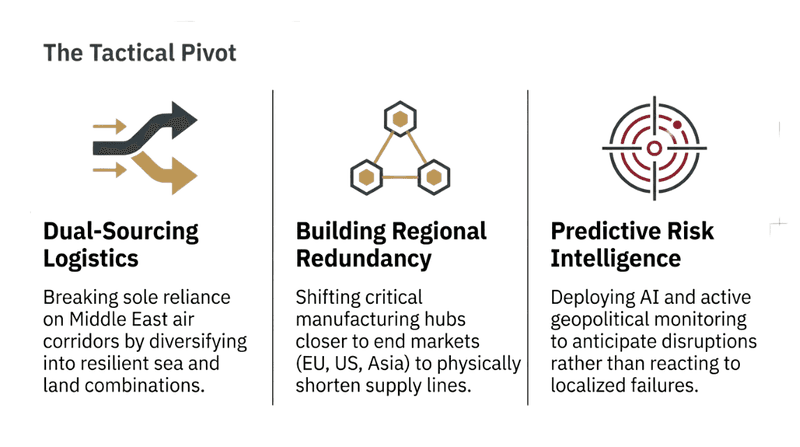
What Smart Pharma Leaders Are Doing Now
1. Dual-Sourcing Logistics
Not relying solely on Middle East corridors anymore.
2. Building Regional Redundancy
Manufacturing closer to end markets (EU, US, Asia).
3. Investing in Predictive Risk Intelligence
Using AI and geopolitical monitoring to anticipate disruptions-not react to them.
The Counter-Intuitive Insight (Information Gain)
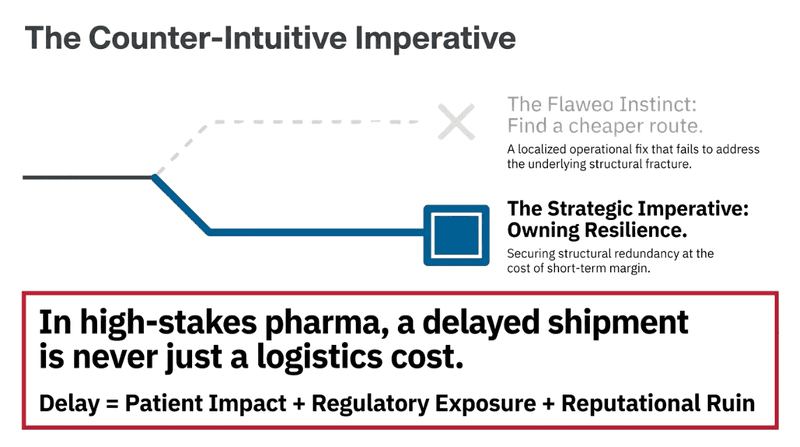
Most companies think the solution is “find cheaper routes.” That’s flawed.
The real competitive advantage now is:
Owning resilience-even if it increases short-term costs.
Why?
Because in pharma:
- A delayed shipment isn’t just lost revenue
- It’s patient impact + regulatory exposure + reputational risk
What Happens Next
If the conflict persists:
- Air freight bottlenecks will worsen
- Ireland’s export efficiency advantage may erode
- Global pharma pricing could rise
If it escalates:
- Expect systemic drug supply disruptions, especially for high-value biologics.
Final Takeaway
Ireland’s pharma sector is at a strategic inflection point.
The industry must decide:
- Stay optimized for cost
or - Rebuild for resilience
The companies that move first will define the next decade of global pharmaceutical supply chains.
The Re-Routing Challenge and Cold-Chain Vulnerabilities
The avoidance of airspace over the Middle East has caused substantial challenges for temperature-sensitive air freight. Pharmaceuticals, especially modern biologics, vaccines, and insulin, require strict cold-chain maintenance (typically kept between 2°C and 8°C). Any detour that adds 12 to 24 hours to a flight path increases the risk of temperature excursions, rendering the batch unusable and leading to millions of euros in product loss.
As a result, logistics managers are shifting high-value shipments to secondary European cargo hubs or utilizing active shipping containers equipped with advanced cooling systems. While these containers protect the product, they add up to €5,000 per shipment in leasing costs, further eroding the margins of manufacturers operating out of Ireland.
Frequently Asked Questions
How does geopolitical conflict affect the delivery of life-saving medicines?
Geopolitical conflict disrupts trade routes, forcing airlines to reroute flights. This increases shipping times, raises freight and insurance costs, and poses a major risk to temperature-sensitive biologics that require strict cold-chain compliance.
What is 'cold-chain' and why is it critical for pharmaceutical exports?
Cold-chain refers to the uninterrupted temperature-controlled supply chain required to transport biopharmaceuticals. Many modern drugs degrade and lose efficacy if they are exposed to temperatures outside their specified range (typically 2°C to 8°C).
How are Irish pharma companies mitigating supply chain risks in 2026?
Companies are adopting multi-hub shipping strategies, leasing active refrigeration containers for air transit, and increasing local safety stocks of raw materials and active pharmaceutical ingredients to prevent production delays.