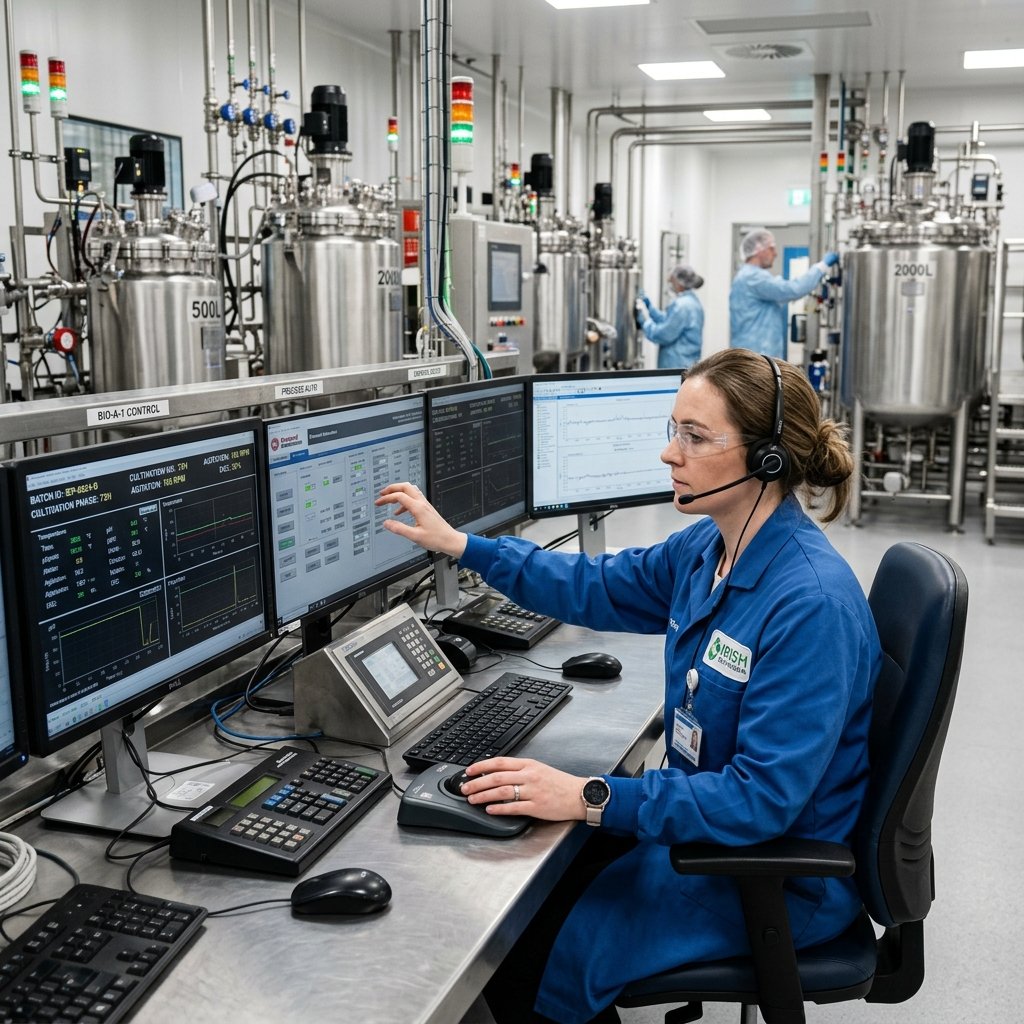

Over the past 50 years, Ireland has undergone an industrial miracle, transforming into the world’s third-largest exporter of pharmaceuticals. Today, the nation manufactures some of the globe's most in-demand medicines-from complex biologics to blockbuster weight-loss drugs like Mounjaro-with the sector accounting for an astonishing 20% of Ireland’s GDP.
However, this phenomenal success has created a distinct macroeconomic vulnerability. A growing share of the country’s corporate tax base is now inextricably tied to a handful of multinational drugmakers. As global dynamics shift rapidly amid looming patent cliffs, international tariffs, and geopolitical tensions, the question is no longer just how Ireland achieved this status, but how it must manage and protect it in the coming decades.
The Cautionary Tale of Economic Over-Reliance
While the influx of Foreign Direct Investment (FDI) has modernized the Irish economy, over-reliance on a single, highly-regulated sector presents inherent risks. The pharmaceutical industry is currently facing a massive wave of "patent cliffs" expected later this decade, where exclusive rights on major blockbuster drugs will expire, potentially shrinking revenues for the multinationals operating out of Cork, Dublin, and Galway.
Furthermore, rising protectionism and evolving global trade tariffs threaten to disrupt the frictionless export model Ireland relies upon. To safeguard against these shocks, the Irish government and industry leaders must adopt a highly proactive approach to pharmaceutical policy.
Developing Resilient Pharma Policy
Securing the future requires a shift from passive facilitation to active strategic policy development. Key focus areas must include:
- R&D Diversification: Ireland excels at secondary manufacturing (fill-finish) and API production. However, future policy must heavily incentivize early-stage Research and Development, anchoring the intellectual property-not just the physical production line-within the country.
- Agile Regulatory Frameworks: Working closely with the HPRA and the EMA to ensure that Ireland remains an agile, fast-moving regulatory environment for emerging fields like advanced therapy medicinal products (ATMPs) and cell/gene therapies.
- Infrastructural Investment: Addressing critical bottlenecks in housing, energy, and water infrastructure. Multinational companies evaluate these fundamental utilities just as critically as tax rates when deciding on billion-dollar site expansions.
The Talent Pipeline: Attracting and Retaining Skilled Labour
Perhaps the most immediate bottleneck to maintaining Ireland’s pharma dominance is the availability of skilled labor. As manufacturing facilities grow increasingly automated and reliant on Artificial Intelligence, the profile of the "ideal pharma worker" is shifting from traditional chemistry to bioinformatics, data science, and advanced engineering.
To navigate this, a multi-pronged approach to talent management is essential:
- Revamping Domestic Education: Collaborations between industry bodies and Irish universities must be deepened. Programs like those offered at NIBRT (National Institute for Bioprocessing Research and Training) are a global gold standard and must be scaled to meet the demand for digital-first manufacturing skills.
- Aggressive Global Talent Acquisition: Ireland must aggressively market itself as the premier destination for life science professionals globally. However, attracting this talent is inextricably linked to resolving domestic issues, primarily the cost of living and the ongoing housing crisis.
- Upskilling the Existing Workforce: Policy must mandate and fund continuous professional development. As legacy drug lines close, workers must be swiftly upskilled to handle next-generation biologics.
Looking Ahead
Ireland’s deep integration with Big Pharma is a testament to decades of smart policy and an exceptionally capable workforce. Yet, past performance does not guarantee future stability. By acknowledging the risks of economic dependency and aggressively prioritizing R&D, infrastructure, and a future-proof talent pipeline, Ireland can ensure it remains a global life sciences powerhouse well into the next half-century.
Structural Exposure and the Need for Talent Diversification
Ireland's economic reliance on the pharmaceutical sector is a double-edged sword. While the industry generates billions in exports and supports thousands of high-value jobs, it creates a vulnerability to global policy shifts. Changes in corporate tax rates, US pricing reforms (like the IRA), or supply chain re-shoring initiatives could significantly impact the local economy.
To navigate this dependency, policymakers and industry leaders are focusing on building a more resilient talent ecosystem. This involves investing in continuous education and upskilling programs to transition workers into next-generation fields, such as digital health, personalized medicine, and advanced automation. By building specialized regional clusters (such as the MedTech cluster in Galway or the bioprocess hub in Limerick), Ireland can maintain its competitiveness even as global market dynamics shift.
Frequently Asked Questions
Why is Ireland considered heavily dependent on the pharmaceutical sector?
Pharmaceuticals represent over one-third of Ireland's total goods exports and generate a significant portion of corporate tax revenues, making the economy sensitive to changes in this single sector.
What policies are being implemented to manage this economic risk?
Government initiatives focus on diversifying the export base, supporting local Irish-owned tech companies, and investing corporation tax surpluses into national reserve funds.
How is the skill demand changing in the Irish pharma sector?
There is a transition away from standard production roles toward advanced engineering, GxP data analytics, automation validation, and complex regulatory affairs expertise.