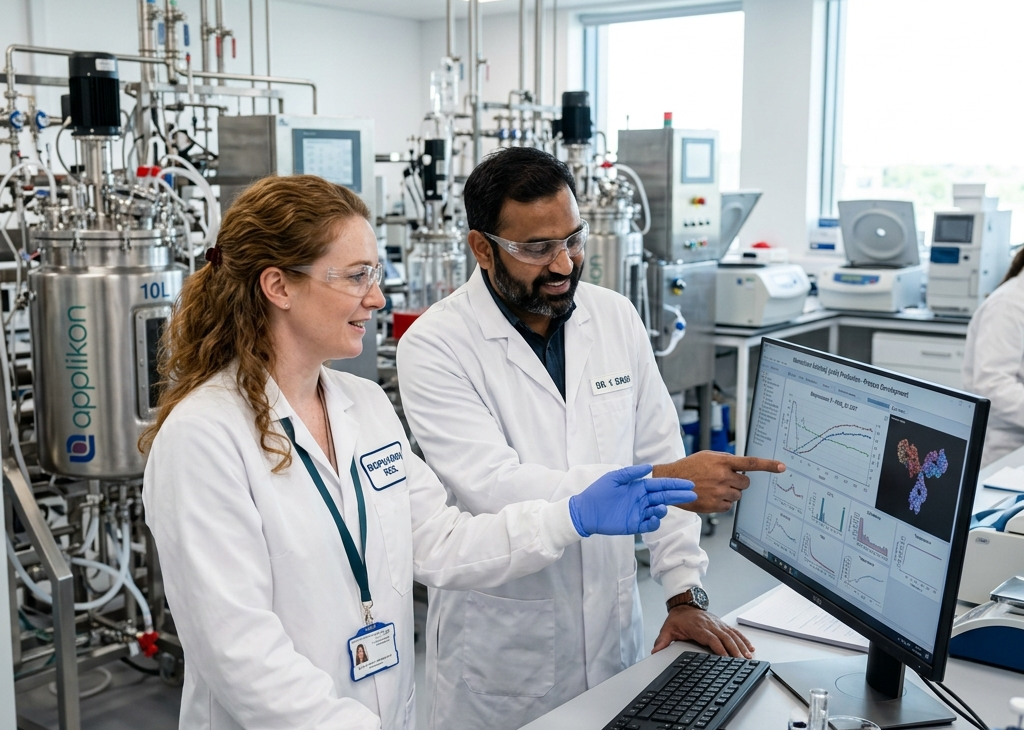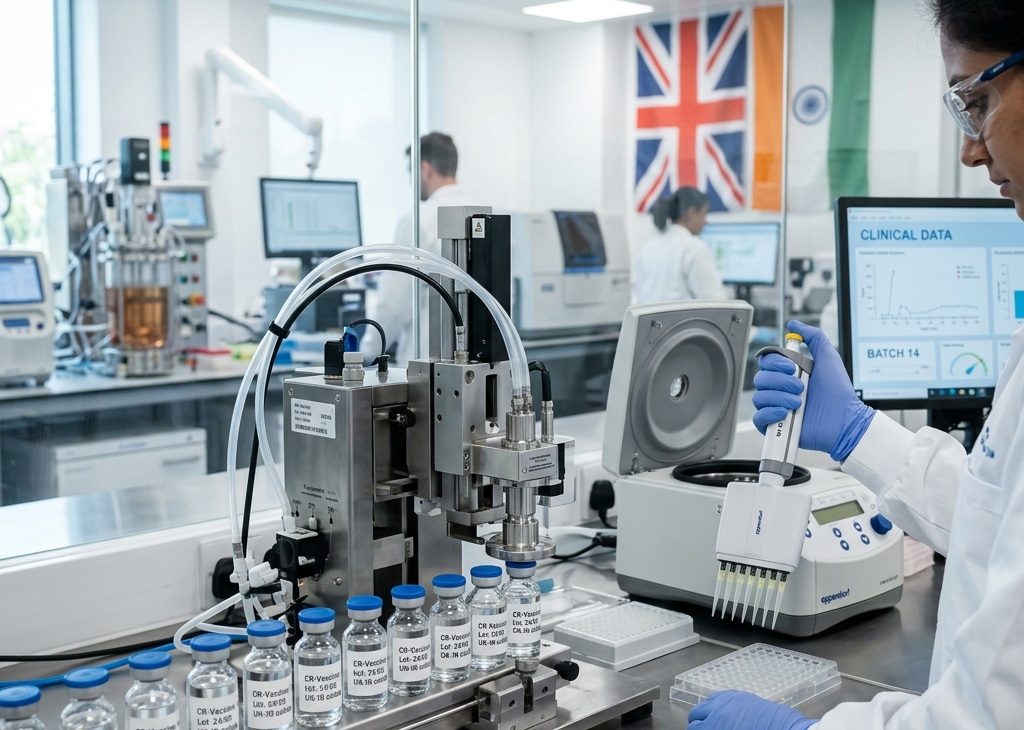

When a pharmaceutical product test result falls outside the registered specifications, it is classified as Out of Specification (OOS). Regulators (such as the FDA and EMA) require a formal, documented investigation to determine if the result is a laboratory error or a true product failure. This article details the steps of a compliant OOS investigation.
Phase I: Laboratory Investigation
The investigation must begin immediately in the laboratory, before any sample is discarded. The analyst and supervisor must assess:
- Standard preparation and instrument calibration.
- Reagent freshness and preparation logs.
- Calculations and raw data entry errors.
- Glassware cleanliness and contamination checks.
If a clear laboratory error is identified, the original test result is invalidated, the error is documented, and a re-test is performed. If no laboratory error is found, the investigation proceeds to Phase II.
Phase II: Full-Scale Manufacturing Investigation
Phase II shifts the focus to the production facility to determine if manufacturing deviations caused the issue. This involves reviewing batch production records, environmental monitoring logs, equipment performance, and raw material COAs.
Implementing Corrective and Preventive Actions (CAPA)
Once the root cause is identified, the quality unit must establish a CAPA plan. Corrective actions address the immediate issue (e.g., discarding the affected batch), while Preventive actions modify processes, training, or equipment to ensure the error does not happen again.
The Two-Phase OOS Investigation Workflow
When an analytical test result falls outside the registered quality specification (OOS) or established trend limits (OOT) in a pharmaceutical laboratory, a formal investigation must be launched immediately. This process is strictly regulated and structured in two phases to ensure scientific integrity and prevent laboratory bias. The primary goal is to determine if the OOS is due to a laboratory error or represents a genuine product quality failure.
Phase I focuses entirely on the laboratory itself. Before any product re-testing is permitted, the analyst and supervisor must investigate if a laboratory error occurred. This includes inspecting the sample preparation, the analytical instruments, the reagents used, the calculation formulas, and verifying that the analyst was fully qualified. If a laboratory error is identified, the test result is invalidated, the error is corrected, and a retest is performed.
If Phase I yields no evidence of laboratory error, the investigation must proceed to Phase II. This is a full-scale cross-functional investigation involving Quality Assurance, Manufacturing Operations, and Engineering. The team audits the manufacturing records, the environmental conditions during the batch production, raw material certificates, and equipment logs to identify if a manufacturing deviation occurred.
Resampling, Retesting, and Final Disposition
Under FDA and MHRA guidelines, re-testing of the sample must follow a pre-approved protocol. Typically, retesting is performed in replicate (e.g., 5 to 7 replicates) by a second, independent analyst. A single passing re-test cannot be used to override an OOS result. All data points must be evaluated statistically. If the investigation concludes that the result is a genuine product failure, the batch must be formally rejected and disposed of in compliance with GMP guidelines.
Frequently Asked Questions
Can an OOS result be written off as 'laboratory error' without clear proof?
No. Regulatory guidelines (such as the FDA OOS guidance) strictly prohibit invalidating a result without documented evidence of a laboratory error. Assuming an error occurred without proof is a major audit citation.
What is the difference between OOS and OOT?
OOS (Out of Specification) refers to a test result that falls outside the official registered legal limit for a product. OOT (Out of Trend) refers to a result that is within specifications but is historically atypical or anomalous based on previous batch data.
What is the role of CAPA in an OOS investigation?
Corrective and Preventive Actions (CAPA) must be implemented once the root cause is identified. If it was a lab error, CAPA might involve analyst retraining or instrument recalibration; if a manufacturing issue, it could involve process modifications to prevent future occurrences.
Frequently Asked Questions
What is the difference between a Phase I and Phase II OOS investigation?
Phase I is a laboratory investigation focused on identifying obvious errors (e.g. calculation mistakes or instrument issues). Phase II is a full-scale manufacturing investigation executed when no laboratory error is found.
Can a batch be released if the OOS result was due to analyst error?
Yes. If the laboratory investigation proves analyst error, the original test result is invalidated, and a re-test is performed. If the re-test passes, the batch can be released, provided the error is documented.
What are the regulatory risks of failing to perform proper OOS investigations?
Failing to scientifically investigate OOS results is a common source of FDA warning letters and HPRA audit deviations, as it suggests a lack of control over manufacturing processes.
Frequently Asked Questions
What is the difference between a Phase I and Phase II OOS investigation?
Phase I is a laboratory investigation focused on identifying obvious errors (e.g. calculation mistakes or instrument issues). Phase II is a full-scale manufacturing investigation executed when no laboratory error is found.
Can a batch be released if the OOS result was due to analyst error?
Yes. If the laboratory investigation proves analyst error, the original test result is invalidated, and a re-test is performed. If the re-test passes, the batch can be released, provided the error is documented.
What are the regulatory risks of failing to perform proper OOS investigations?
Failing to scientifically investigate OOS results is a common source of FDA warning letters and HPRA audit deviations, as it suggests a lack of control over manufacturing processes.