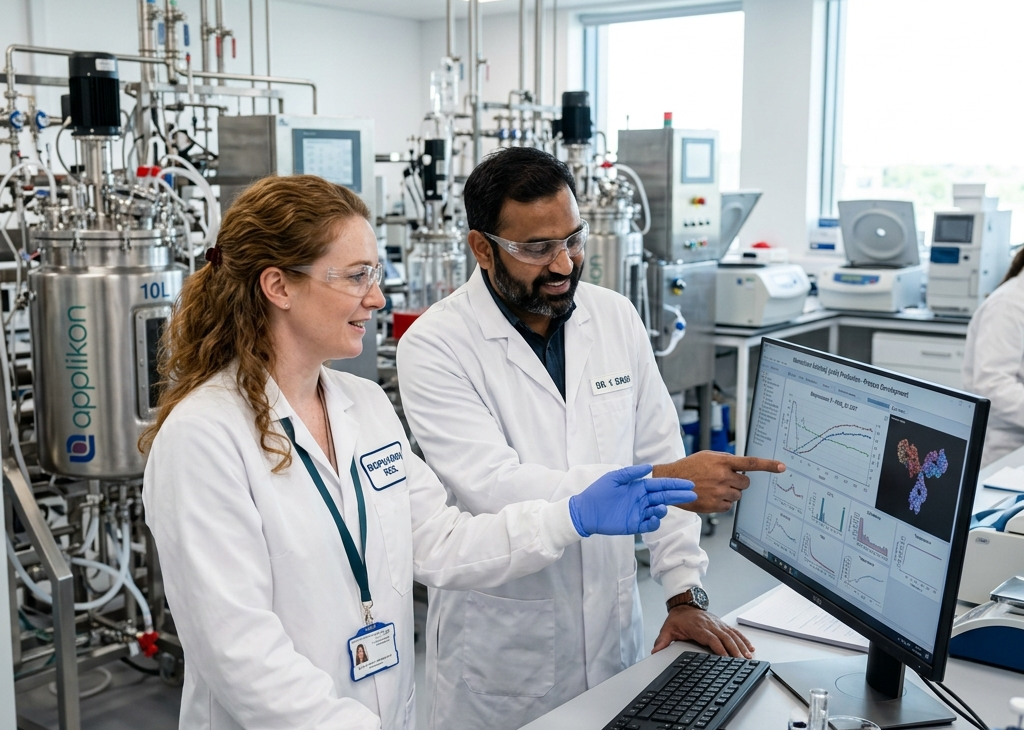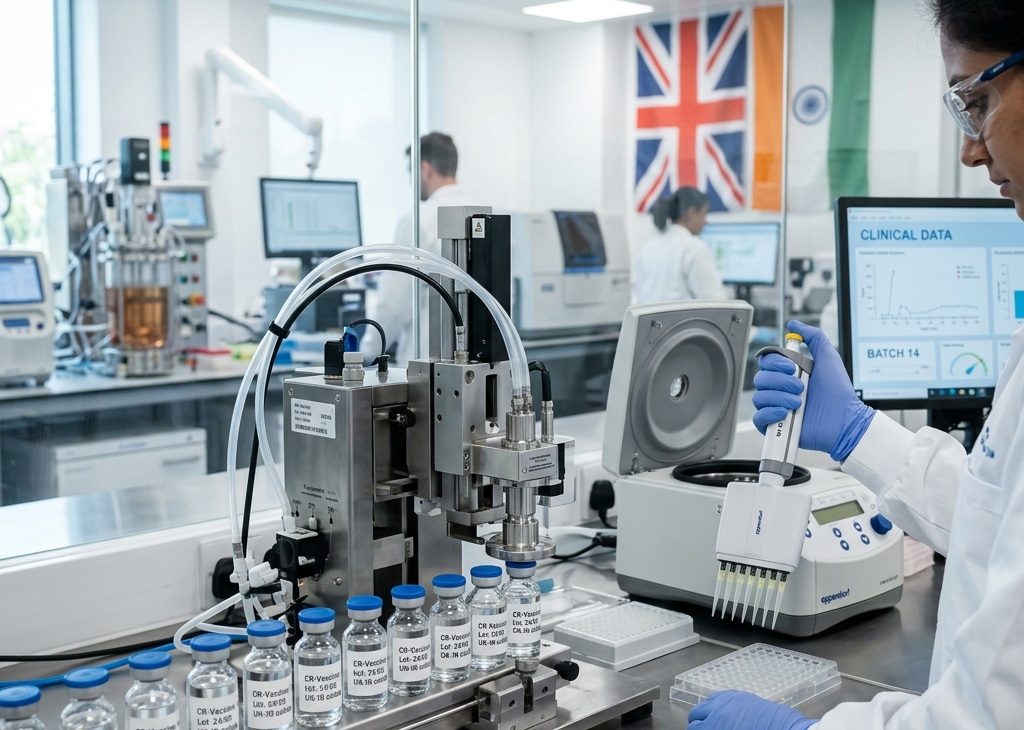

The global pharmaceutical sector is undergoing a profound paradigm shift. The convergence of rapid technological advancements, growing pressure for environmental sustainability, and stricter regulatory expectations has redefined what it means to be compliant. In 2026, regulatory authorities like the FDA, EMA, and Ireland's HPRA are moving away from traditional, paper-based verification toward a dynamic model of real-time execution and data integrity.
For quality assurance (QA) professionals, validation engineers, and manufacturing leaders, staying ahead of these shifts is essential. This technical report provides a detailed analysis of the top 10 technical and Good Manufacturing Practice (GMP) trends shaping the pharmaceutical industry in 2026.
1. Implementing the "Live" Contamination Control Strategy (EU GMP Annex 1)
Three years after the implementation of the revised EU GMP Annex 1 guidelines for sterile manufacturing, regulators are focusing heavily on execution. It is no longer sufficient to treat a Contamination Control Strategy (CCS) as a static, document-only compliance check.
In 2026, inspections are targeting how a site's CCS acts as a live, closed-loop operating model. Manufacturers must demonstrate that environmental monitoring data, trend analyses, and quality risk assessments feed directly back into their corrective and preventive action (CAPA) systems. This requires cross-functional governance, linking facilities engineering, microbiology, and cleanroom operations into a single feedback system.
2. The Transition from CSV to Computer Software Assurance (CSA)
Pharmaceutical validation has long been criticized for being overly documentation-heavy, often prioritizing paperwork over product quality. Under the updated GAMP 5 guidelines, the industry is transitioning from rigid Computer System Validation (CSV) to Computer Software Assurance (CSA).
CSA shifts the focus toward critical thinking, risk assessment, and unscripted testing. Rather than writing exhaustive test scripts for low-risk features, software assurance teams focus their testing on critical areas that directly affect product safety and data integrity. This approach reduces validation documentation by up to 50% while improving system safety through more thorough, risk-based testing.
3. Quality 4.0: Validating AI and Machine Learning in QC
Artificial Intelligence (AI) and Machine Learning (ML) have transitioned from trial projects to critical parts of Good Manufacturing Practice. Under the umbrella of "Quality 4.0," these technologies are being deployed in quality control laboratories and automated visual inspection (AVI) lines for sterile injectables.
The primary challenge in 2026 is validating these systems. Since machine learning models adapt over time, traditional software validation protocols do not apply. Validation engineers must use continuous validation strategies, ensuring that AI model drift is monitored and that automated visual algorithms undergo routine validation checks using predefined sample sets.
4. Cleanroom HVAC and Airflow Optimization for Sustainable GMP
Decarbonisation and cleanroom compliance have historically been in conflict due to the massive energy demands of heating, ventilation, and air conditioning (HVAC) systems. However, modern guidance is helping manufacturers implement sustainable GMP practices.
Using the ISO 14644-16 standard, engineering teams are optimizing air change rates based on real-time particle counts. Rather than maintaining high air change rates constantly, automated HVAC systems adjust airflow dynamically based on cleanroom activity. This maintains sterile environments during operations and reduces energy consumption by up to 40% during idle periods.
5. Navigating the EU Pharmaceutical Reforms and Supply Chain Shortages
The sweeping legislative overhaul of the EU Pharmaceutical Package has entered full enforcement. A key focus is protecting patient health from critical drug shortages.
For Qualified Persons (QPs) and supply chain operations, this legislation mandates the development of formal Shortage Prevention Plans (SPPs) for all authorized medicines. QPs must verify not only the quality of active ingredients but also the resilience of the supply chain, ensuring that secondary sourcing and safety stock levels are built directly into quality agreements.
6. Real-Time Release Testing (RTRT) in Continuous Manufacturing
Batch manufacturing is gradually being replaced by continuous manufacturing in solid oral dose and biological operations. By moving away from batch runs, sites can eliminate process lag and scale production dynamically.
The technical foundation of continuous manufacturing is Real-Time Release Testing (RTRT). Powered by inline Process Analytical Technology (PAT)-such as Near-Infrared (NIR) spectroscopy and Raman analyzers-RTRT monitors product quality at critical process steps. If the critical quality attributes remain in-spec throughout the run, the batch is released automatically, reducing lab testing times from weeks to hours.
7. Applying ALCOA+ Principles to Cloud-Based SaaS and LIMS
As laboratories migrate their Laboratory Information Management Systems (LIMS) and Chromatography Data Systems (CDS) to the cloud, data integrity remains a top inspection priority.
Ensuring data integrity in software-as-a-service (SaaS) environments requires applying the ALCOA+ principles (attributable, legible, contemporaneous, original, accurate, complete, consistent, enduring, and available) to distributed networks. Regulators expect clear validation agreements detailing who maintains the database logs, how electronic signatures are preserved during updates, and how raw data remains accessible during vendor changes.
8. GMP Compliance for Advanced Therapy Medicinal Products (ATMPs)
Cell and gene therapies present unique technical challenges, particularly due to their short shelf lives and patient-specific nature. The growth of these therapies has driven the need for decentralised manufacturing close to clinical sites.
Decentralised GMP requires cell processing units located in clinical environments to maintain the same cleanroom standards as large-scale facilities. This has driven the adoption of automated, closed isolator systems, rapid microbiological testing methods, and digital chain-of-custody platforms to ensure correct patient matching.
9. Auditing "Quality Culture" and Behavioral Compliance
Inspection findings show that many GMP violations stem from behavioral issues rather than design flaws. Consequently, regulators are auditing a site's "Quality Culture" during on-site inspections.
Inspectors evaluate quality culture by observing operators, assessing training programs, and reviewing how CAPAs handle human error. Quality systems must transition from assigning human error as a root cause to analyzing why the error occurred, leading to improved training and process design.
10. Materials Qualification and E&L Testing in Single-Use Systems
The adoption of single-use systems (SUS)-such as bioprocess bags, sterile filters, and transfer lines-continues to grow in biologics manufacturing. However, this raises the risk of process impurities from plastic components.
Under the USP <1663> and <1664> guidelines, manufacturers must conduct rigorous Extractables and Leachables (E&L) risk assessments. This requires testing single-use components under worst-case process conditions to ensure chemical leachables do not interact with the drug product or impact patient safety.
At-a-Glance Comparison of the Top 10 Trends
The table below summarizes the key technical focus areas, regulatory guidelines, and target roles for each of the top 10 trends:
| Trend | Primary Regulatory Driver | Core Objective | Key Operational Role |
|---|---|---|---|
| 1. "Live" CCS | EU GMP Annex 1 | Closed-loop sterility assurance | Sterility Assurance Lead |
| 2. CSA Paradigm | FDA CSA Guidance / GAMP 5 | Reduce validation overhead | Validation Engineer |
| 3. AI in QC | EMA AI Reflection Paper | Automate visual inspections | Automation Engineer |
| 4. Cleanroom Efficiency | ISO 14644-16 | Reduce HVAC energy footprint | Facilities Lead / HVAC Spec |
| 5. Supply Security | EU Pharmaceutical Reforms | Mandatory Shortage Plans | Qualified Person (QP) |
| 6. RTRT | ICH Q13 (Continuous Mfg) | Eliminate post-production lab lag | Process Analyst / QC Lead |
| 7. Cloud Data Integrity | FDA 21 CFR Part 11 / Annex 11 | Secure SaaS database logs | LIMS Admin / QA IT |
| 8. ATMP GMP | EudraLex Vol 4 Part IV | Aseptic control at clinical site | Clinical Manufacturing Lead |
| 9. Quality Culture | FDA Quality Metrics Guidance | Audit behavior and error prevention | QA Operations Lead |
| 10. Single-Use (SUS) | USP <1663> / <1664> | De-risk materials qualification | Materials/Bioprocess Engineer |
Operational Impact: Adapting Quality Systems
Keeping pace with these 10 trends requires quality organizations to update their internal Quality Management Systems (QMS). Companies should focus their initial compliance efforts on three main areas:
- Update Validation Standard Operating Procedures (SOPs): Standard validation templates must be updated to support the CSA paradigm, allowing teams to use unscripted testing for low-risk features.
- Implement Cross-Functional Data Governance: As IT and operational systems merge in continuous manufacturing and cloud platforms, quality agreements must specify data ownership and review cycles clearly.
- Invest in Continuous Training: Sterile manufacturing and ATMP teams must receive targeted training in sterile behaviors and automated tools, ensuring that quality culture is actively practiced during every shift.
By taking a proactive approach to these technological and regulatory shifts, pharmaceutical companies can improve compliance, optimize operational efficiency, and ensure robust product quality throughout 2026 and beyond.