
By Sreepriya
Across the global manufacturing landscape, a troubling trend is accelerating: "carbon leakage." As advanced economies tighten their climate policies to combat global warming, heavy manufacturing multinationals are quietly relocating their operations to emerging markets with more relaxed environmental laws. It is a phenomenon that threatens both local economies in the West and global greenhouse gas emission targets.
But according to a revealing new study published this week by the Central Bank of Ireland, the Irish economy-and specifically its pharmaceutical sector-is uniquely insulated from this exodus.
The Central Bank’s Findings
The study, reported on June 24, 2026, by Emer Walsh, documented how multinationals are reacting to climate policy shocks. On a global level, the data is stark: enacting just two additional climate policies leads to an average yearly decrease of 0.06% in the share of Foreign Direct Investment (FDI) held in a target country. Multinationals are actively increasing the size of their affiliates in typically more lenient emerging markets-a persistent shift visible up to four years after an initial climate policy shock.
Yet, when Central Bank researchers looked at Ireland, they found a stark contrast. The regulator highlighted that Ireland is far less exposed to the risk of multinationals leaving. Why? Because of the sheer proportion of pharmaceutical and tech multinationals operating within the State.
The Pharma Shield: High Fixed Costs and Specialised Processes
As I look at the landscape of Irish biopharma, the Central Bank's reasoning aligns perfectly with the operational realities of the industry. The report correctly identifies that pharmaceutical giants are highly unlikely to react to marginal changes in the Irish or EU carbon tax regime. There are three core reasons for this:
- High Fixed Costs: Building a biologics manufacturing facility in Cork or Dublin is a multi-billion euro, multi-year endeavor. These are not easily dismantled or replicated supply chains.
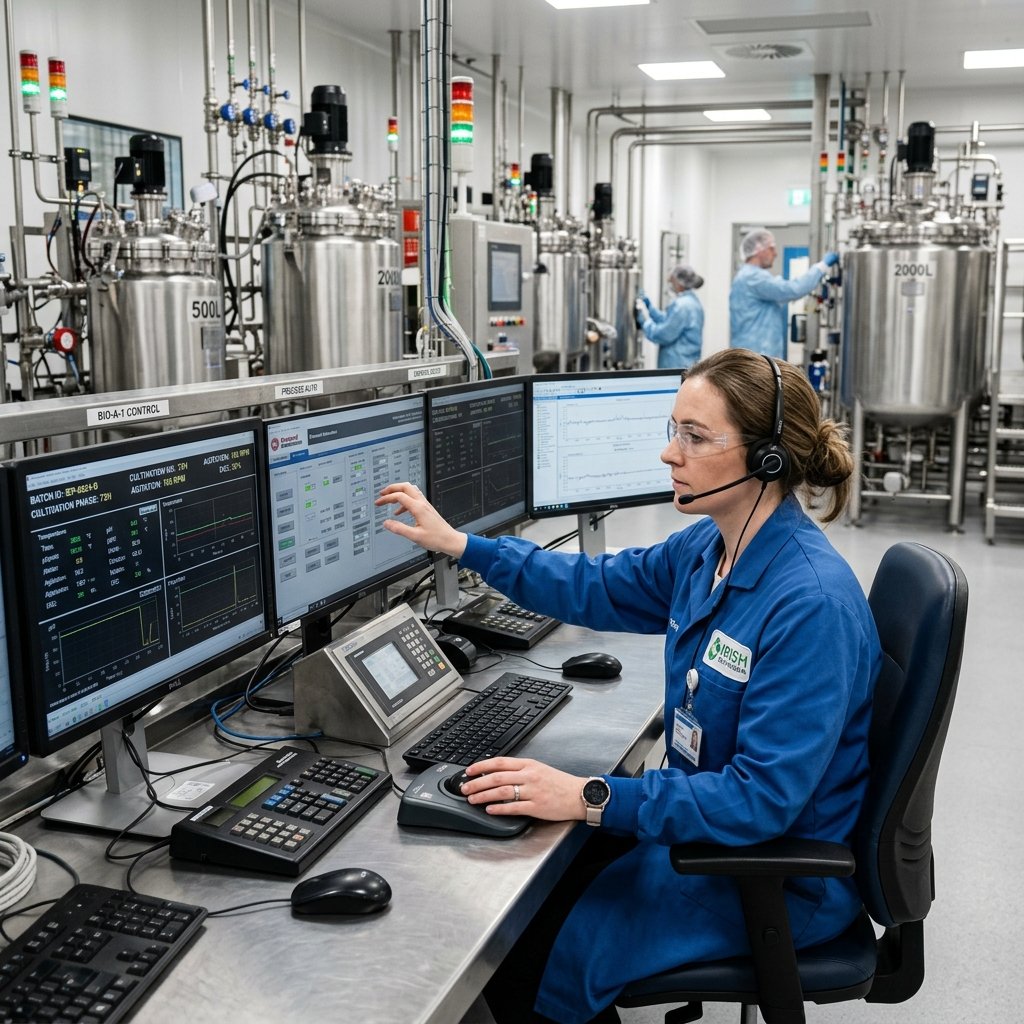
- Highly Specialised Production: Biopharma requires intense regulatory oversight (EMA, FDA, HPRA), sterile environments, and a deeply embedded, highly educated talent pool. You cannot simply lift a monoclonal antibody facility and drop it into a lesser-regulated emerging market without risking monumental quality and compliance failures.
- A Smaller Carbon Footprint: Unlike steel or cement manufacturing, the Irish operations of pharma and tech companies account for only a "small share" of the firms' global carbon footprints. A carbon tax hike here is a drop in the ocean compared to their overall revenue and global operational costs.
What This Means for Ireland’s Investment Future
From an investment and strategic viewpoint, this Central Bank report is a massive validation of Ireland’s FDI strategy. We have transitioned away from being just a low-tax destination into a "sticky" high-value manufacturing hub.
The report points to Ireland's unique selling points-tax policy certainty, a highly skilled workforce, and unfettered access to the EU single market. These factors comprehensively overweight the direct costs of stringent environmental policies.
The takeaway for the industry is clear: Ireland is not just a tax haven; it is a regulatory and operational safe haven. As global Environmental, Social, and Governance (ESG) mandates become stricter across the EU, we will not see the "capital flight" that other nations might suffer. Instead, pharmaceutical FDI in Ireland will likely deepen. Global giants need the certainty, the talent, and the established infrastructure that Ireland provides to manufacture their most complex, high-margin therapeutics.
While the rest of the world grapples with the economic drain of carbon leakage, Ireland's deliberate focus on high-barrier-to-entry, specialised industries has built an economic fortress. The pharma sector isn't going anywhere-it is digging in.
Sustainability, High-Value Chemistry, and Energy Resilience
Ireland's pharmaceutical sector has demonstrated a remarkable immunity to "carbon leakage"-the trend where energy-intensive manufacturing facilities relocate to countries with lower environmental standards and cheaper energy costs. This resilience is due to the nature of Irish pharma production. The facilities in Dublin, Cork, and Kinsale focus primarily on high-value, low-volume biologics and active pharmaceutical ingredients (APIs), rather than low-margin commodity chemical manufacturing. Since the cost of energy represents a smaller percentage of overall production costs for high-value therapeutics, energy price fluctuations are less likely to trigger relocation.
At the same time, companies are investing heavily in sustainability: installing wind turbines, solar arrays, and biomass boilers directly on their manufacturing campuses to reduce their carbon footprint, manage energy costs, and ensure energy security under the EU's Corporate Sustainability Reporting Directive (CSRD).
Frequently Asked Questions
What is 'carbon leakage' in industrial manufacturing?
Carbon leakage refers to the situation where companies move their manufacturing facilities to countries with weaker carbon taxes or environmental regulations to save costs, which results in transferring emissions rather than reducing them.
Why are Irish pharmaceutical sites less vulnerable to this trend?
Because they produce high-value biologics and complex APIs, where utility and energy costs represent a much smaller percentage of the total product value compared to heavy, low-margin bulk chemicals.
How are Irish pharma companies ensuring their long-term sustainability?
They are investing in on-site renewable energy projects, purchasing green power agreements, and optimizing utility consumption to align with zero-emission targets.